PROJECTS

Lost Land

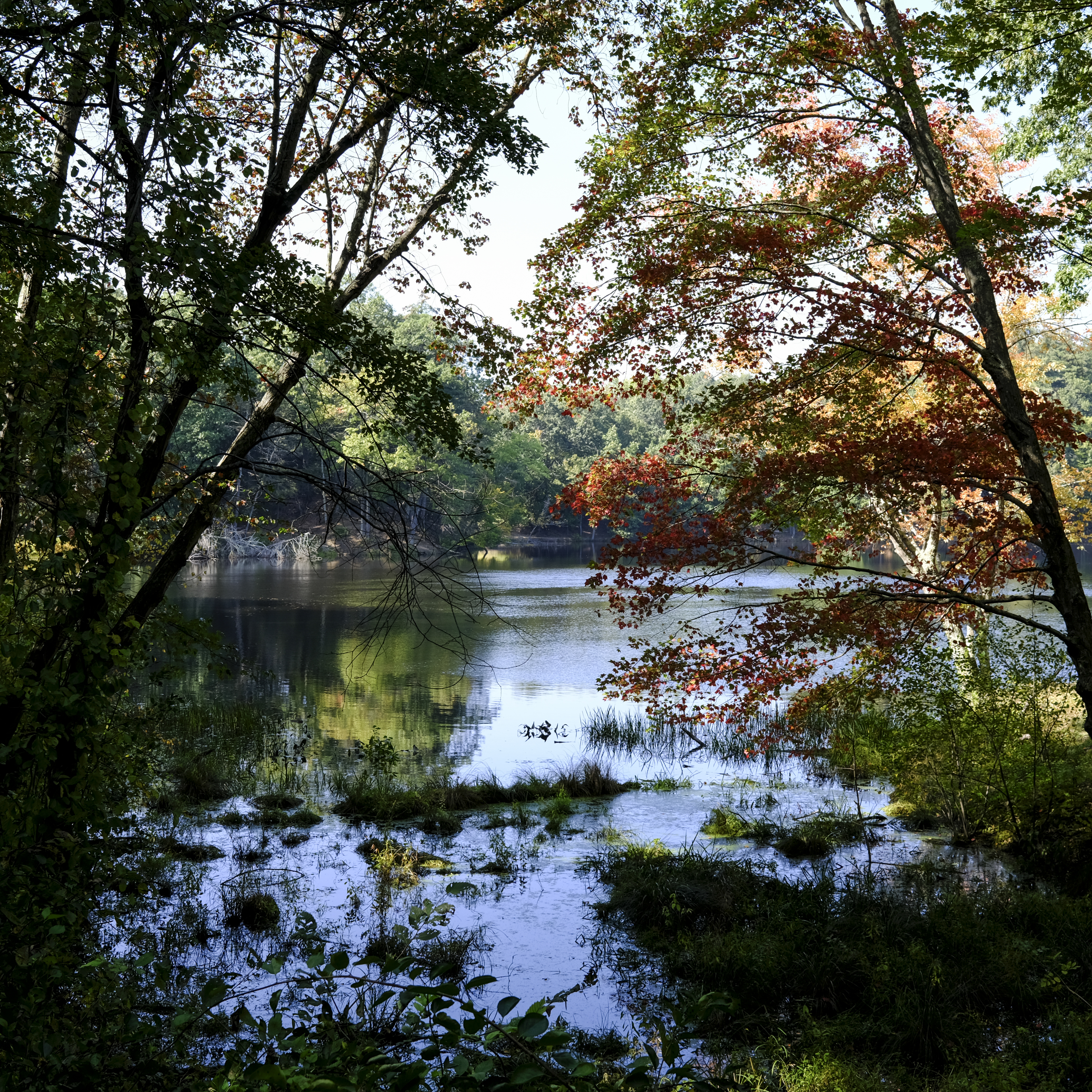
Lost Land meditates on the condition of land as a bearer of memory, duration, and historical pressure. The series approaches landscape as a field where time, power, and human desire leave sedimented traces, gradually reshaping the meaning of place itself. What comes into view is a world no longer held by any stable idea of harmony, only by layers of occupation, withdrawal, forgetting, and re-inscription. The images suggest that loss is not simply an event, nor a singular act of destruction, but a long process through which the living texture of the world is rendered increasingly distant from human feeling. Space becomes ordered before it is understood, claimed before it is remembered, and emptied before its silence can be fully heard. Within this process, nature appears as something continuously translated into systems of use, measurement, and abstraction, while the human subject also becomes estranged from its own ground of belonging. Lost Land therefore speaks not only to environmental disturbance, but to a deeper spiritual and philosophical condition: the gradual erosion of our capacity to dwell attentively in the world. What is lost is territory, intimacy, memory, and the possibility of an undivided relation between presence and place.
Liangshan, Not Liang (凉山不凉)

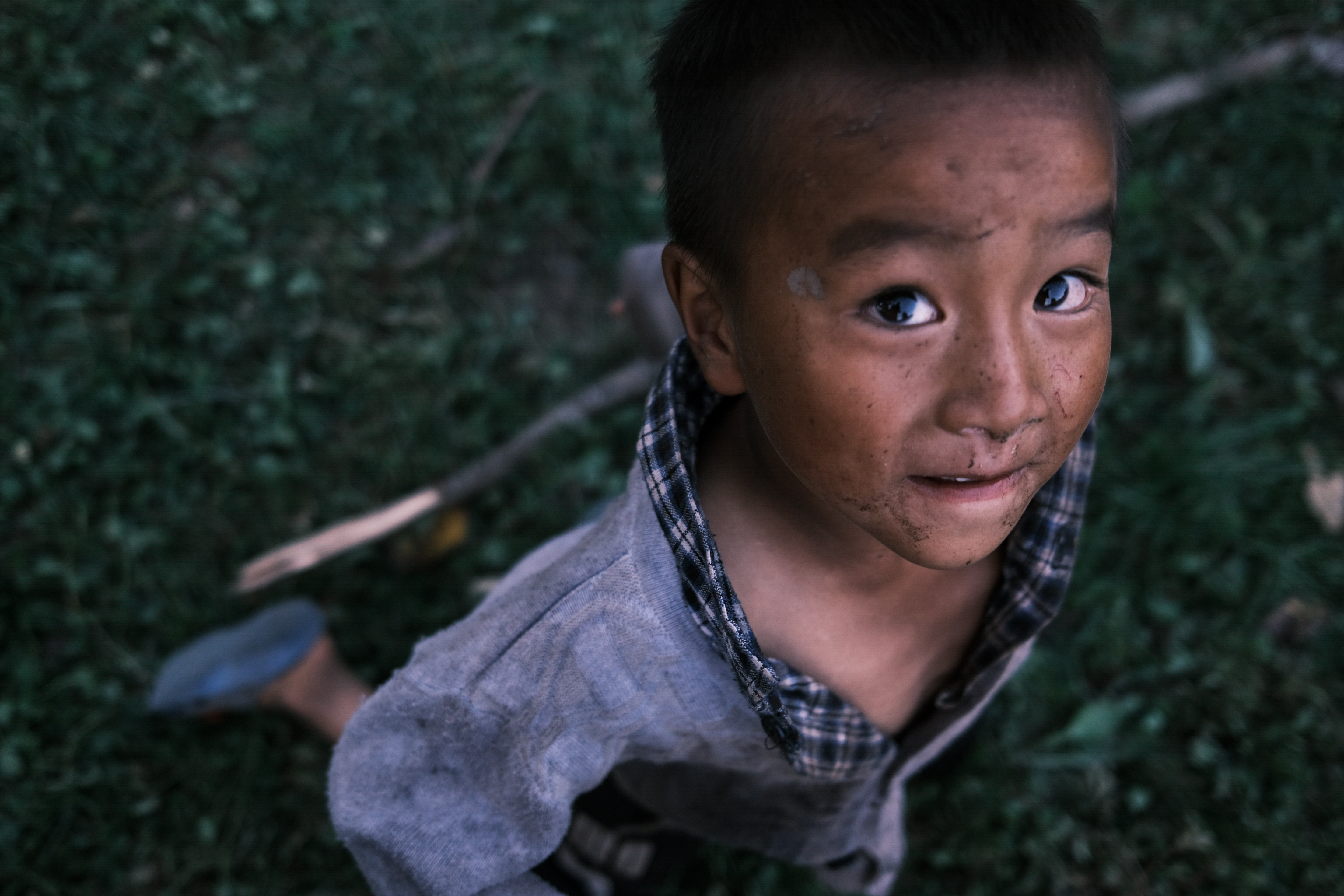
Liangshan, Not Liang turns its attention to the everyday lives of the Yi people in the Liangshan Yi Autonomous Prefecture of Sichuan, China, entering a social landscape shaped by geography, kinship, labor, ritual memory, and the long sedimentation of ethnic history. The title carries a quiet doubleness: “Liang”, which means coldness in Chinese, names a place often imagined through remoteness, hardship, and external projection, while “Not Liang” gestures toward the human temperature within it—warmth, dignity, intimacy, and the resilient inner life that persists beneath simplified social narratives. The series resists spectacle and refuses reduction, approaching Liangshan not as a symbol of poverty, exotic difference, or anthropological distance, but as a lived world structured by ordinary time, embodied experience, and collective continuity. Within these images, daily life becomes the site where history remains visible, where identity is carried in gesture, space, and relation, and where the pressure of modernization encounters deeply rooted cultural memory. Liangshan, Not Liang restores complexity to a place too often flattened by outside vision, offering a sustained reflection on presence, inheritance, and the irreducible humanity of lives that continue to unfold with gravity, tenderness, and strength.

The Song of Aurahi Nadi

🏆 2023 International Photography Awards (IPA) - Honorable Mention & Official Selection

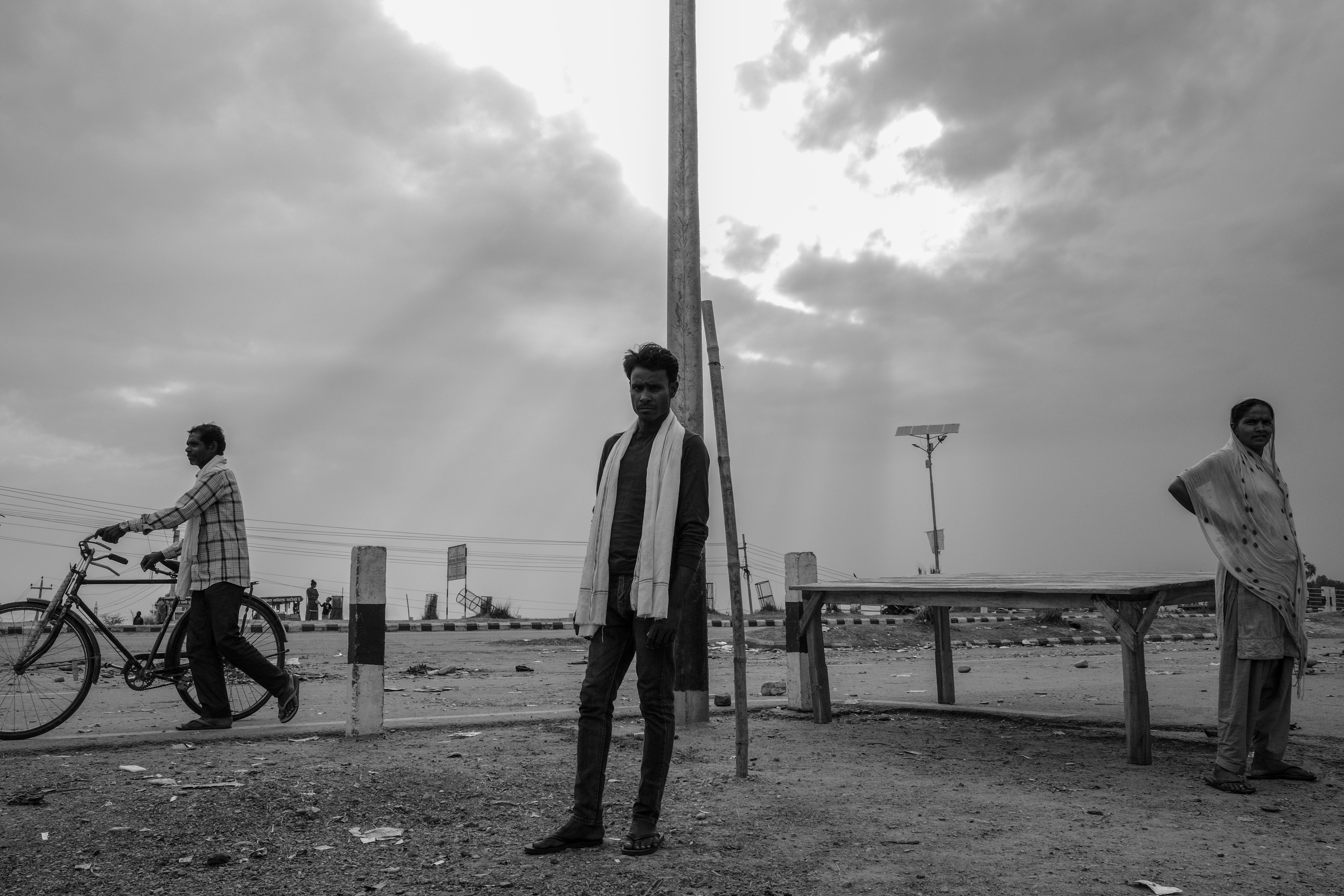
Aurahi Nadi is a river that originates in the Churia Ghati Hills and once flowed through Janakpur, Nepal, sustaining the surrounding land and the lives shaped around it. In the Adarsha Tole region, however, the river has completely dried up due to the growing demand for water from local agriculture, leaving behind an exposed riverbed that has gradually become a place of settlement and survival. The Aryans from India built their homes in this dry river, making life in a space defined by ecological loss and material uncertainty. Fewer job opportunities in the border areas, together with a large influx of people, have further reduced the living space available to the Aryans, intensifying the pressures of displacement, poverty, and overcrowding. Yet the Aryans here have not lost their confidence in life. They rely on the surrounding forests for agriculture and handicraft production, and they have even formed classrooms in the fields so that education can continue under difficult conditions. In this landscape of disappearance and renewal, where a vanished river has been transformed into a fragile human settlement, they continue to rebuild daily life with resilience, dignity, and hope, shaping what may become a new boom for the Aryans.

The Flame

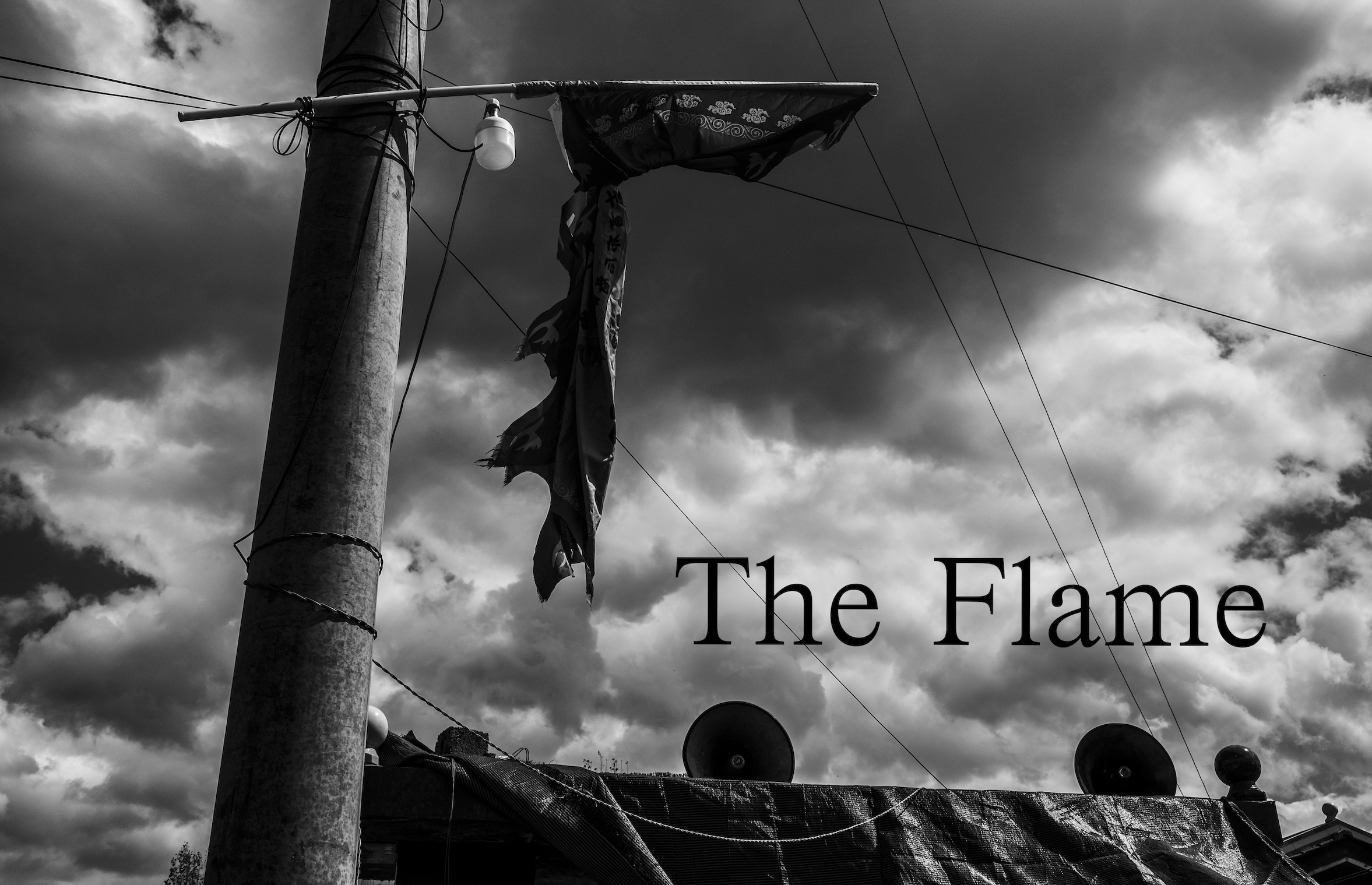
The Flame centers on a traditional Yi funeral in the Liangshan Yi Autonomous Prefecture of Sichuan, approaching fire as ritual presence, ancestral symbol, and spiritual axis within Yi cosmology. In Yi cultural memory, fire carries meanings far beyond warmth or combustion; it is a totem, a source of lineage, a medium of purification, and a sign of continuity between the living and the dead. Within the funeral rite, flame becomes the visible form of passage, gathering grief, reverence, kinship, and collective memory into a shared ceremonial space. This work follows the emotional and symbolic gravity of that moment, where mourning is inseparable from ritual order, and where death is held within a larger structure of belief, inheritance, and return. The images attend to the dignity of the ceremony and to the enduring cultural consciousness embedded within it, revealing how fire continues to illuminate the Yi people’s understanding of origin, departure, and spiritual belonging.

Mountains and Rivers (阅山川)

🏆 The 15th China Campus Film and Television Festival - Golden Prize

Mountains and Rivers is a video work that documents natural landscapes across China through a combination of aerial footage, time-lapse photography, and location-based observation. Moving across different terrains and atmospheric conditions, the project brings together mountains, rivers, plains, clouds, coastlines, and changing light in order to present the geographic breadth and visual richness of the country. The use of drone perspectives expands the viewer’s sense of scale and spatial relation, while time-lapse sequences reveal the movement of weather, light, and time that often escapes ordinary perception. Grounded in landscape image-making, the work records the diversity, rhythm, and vitality of China’s natural environment, offering a visual experience shaped by cinematic observation and sustained attention to place.

Lives Under the Himalayas

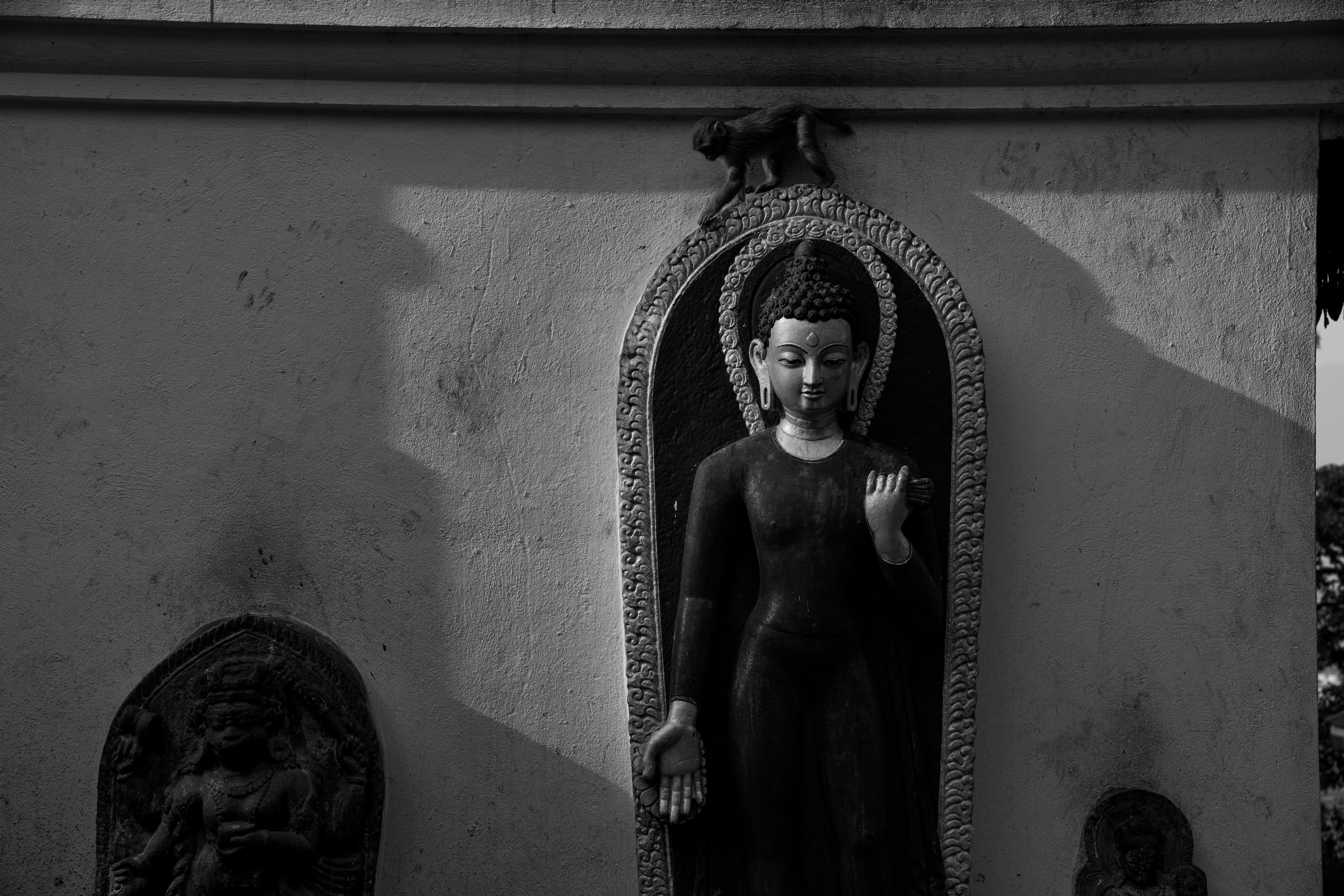
Lives Under the Himalayas is a documentary photography project on the everyday lives, living environments, and social structures of people in Nepal. Developed through sustained observation of domestic spaces, streets, fields, workplaces, and communal settings, the series examines how livelihood, family life, labor, architecture, landscape, and local tradition are held together within the fabric of daily existence. The photographs focus on the material and emotional conditions through which life is organized and continued, revealing the close relationship between human presence and the environments that shape it. In these images, Nepal emerges as a lived social world defined by intimacy, resilience, routine, and collective memory, where cultural identity remains embedded in gesture, space, and the ordinary practices of survival. The project aims to present a grounded and human-centered account of Nepalese life, with attention to dignity, continuity, and the enduring structure of everyday experience under specific geographic, economic, and cultural conditions.

Heartland (心疆)

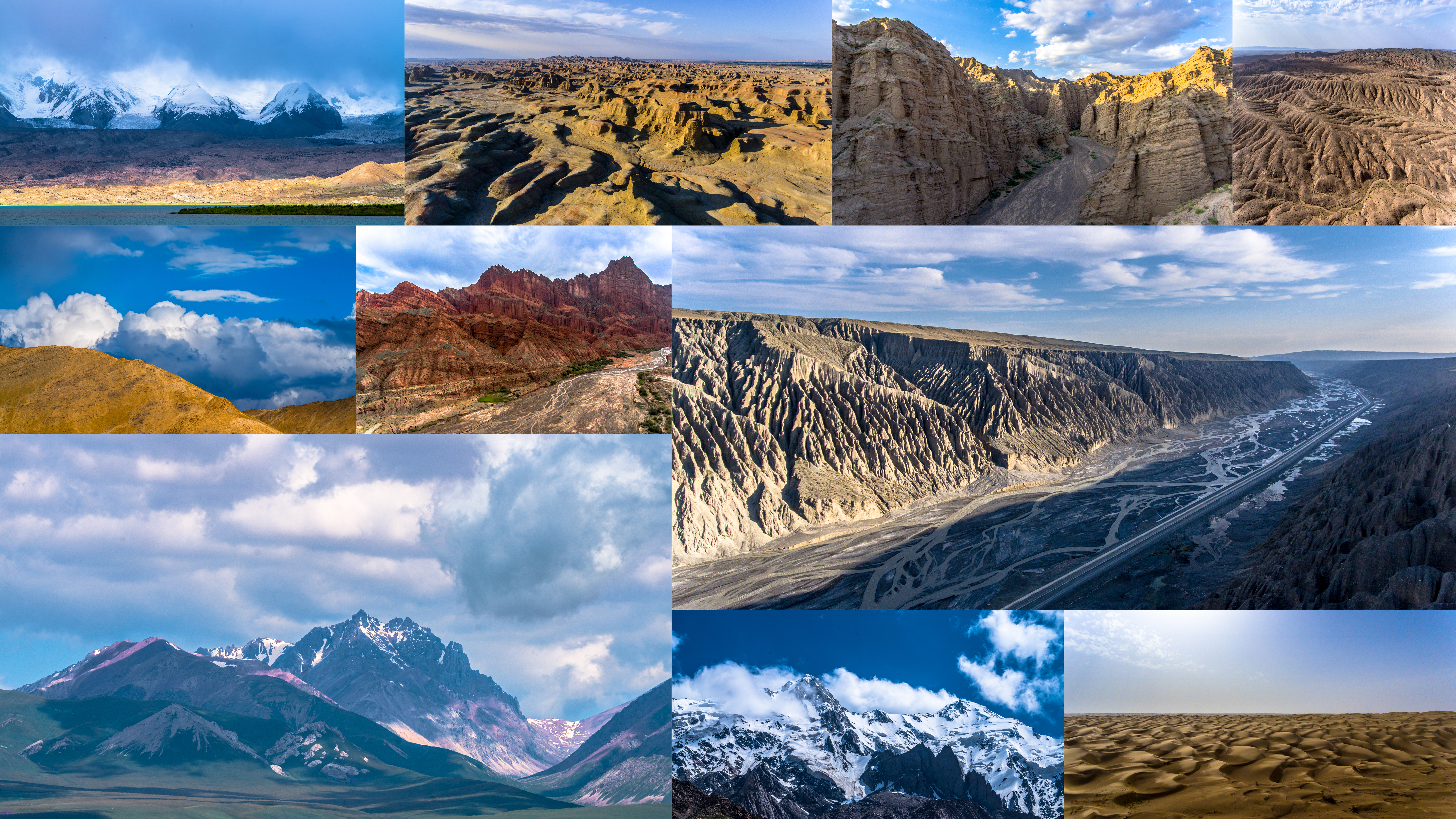
Heartland is a documentary video work that records the human life and landscapes of the Xinjiang Uyghur Autonomous Region in China. Through a combination of observational footage, aerial views, and time-lapse photography, the work presents the region as both a vast physical space and a lived cultural environment shaped by everyday rhythms, geography, and memory. The Chinese title, Xinjiang (心疆), draws on a play on sound between xin meaning “heart” and Xin in Xinjiang, extending the meaning of the work toward the idea of an inner territory, a frontier of feeling and belonging. Grounded in documentary image-making, the project brings together natural scenery and human presence, allowing the land to be seen not simply as a backdrop, but as a space deeply connected to emotion, identity, and lived experience. In this sense, Heartland explores Xinjiang as a territory of both landscape and spirit, where the visible world and the inner world remain closely intertwined.

The Wonderful Time

🥈 UNESCO Youth Eyes on the Silk Roads International Photo Contest - 2nd Prize

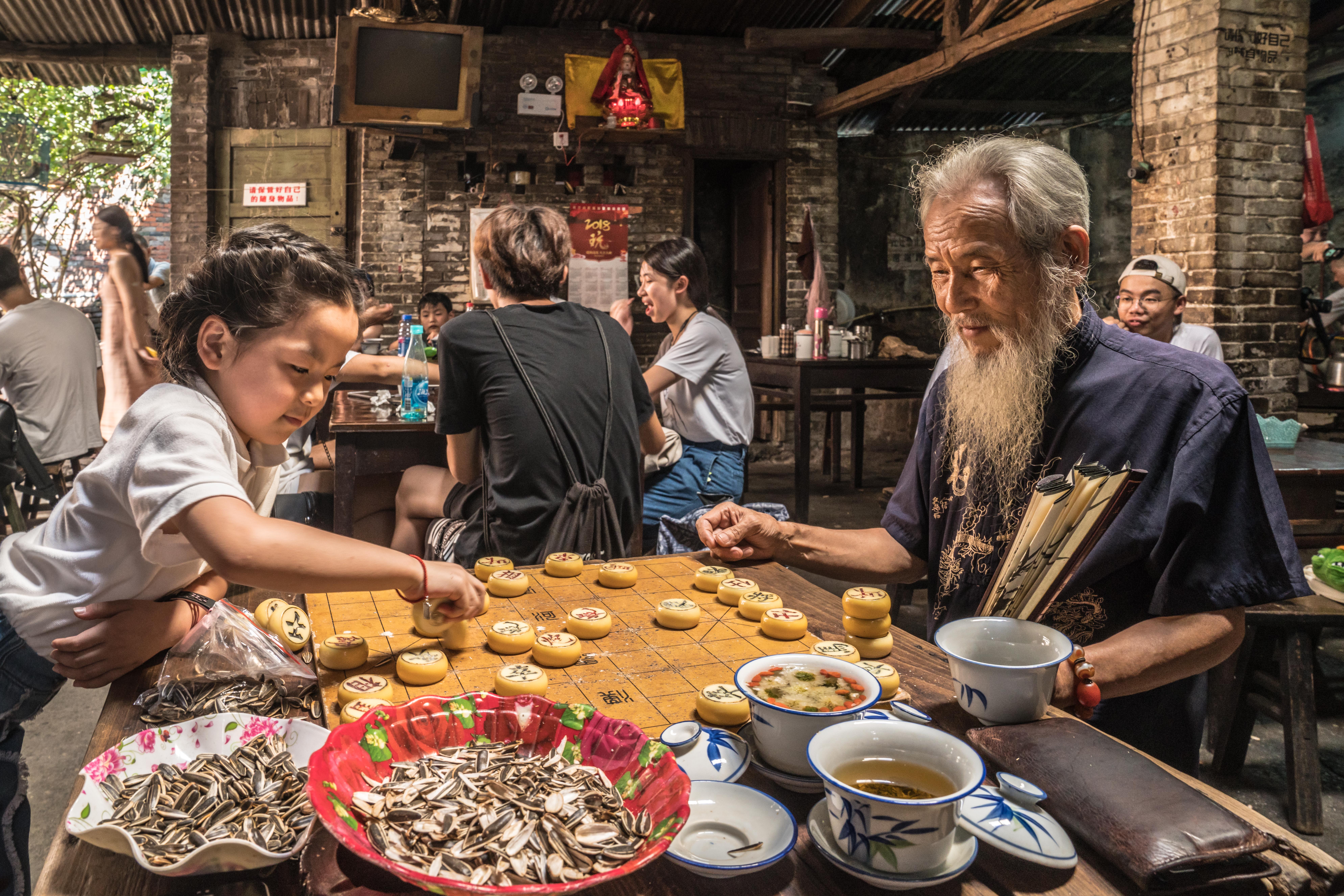
A scene from daily life on Huangjueping Street in Chongqing, China. Jiaotong Teahouse, widely regarded as the oldest and most traditional teahouse in Chongqing, stands as a living archive of the city’s social memory and vernacular culture. It remains a shared public space where conversation, routine, leisure, and community continue to unfold in their most ordinary yet enduring forms. Tea was one of the many important gastronomic elements transmitted across the Silk Roads, carrying with it commodities, techniques, and habits of gathering, exchange, and human connection. In this sense, Jiaotong Teahouse preserves a local tradition while also reflecting the lasting cultural life of tea as a social practice that continues to shape everyday interaction in many cultures around the world today.

Cultivating the Sea

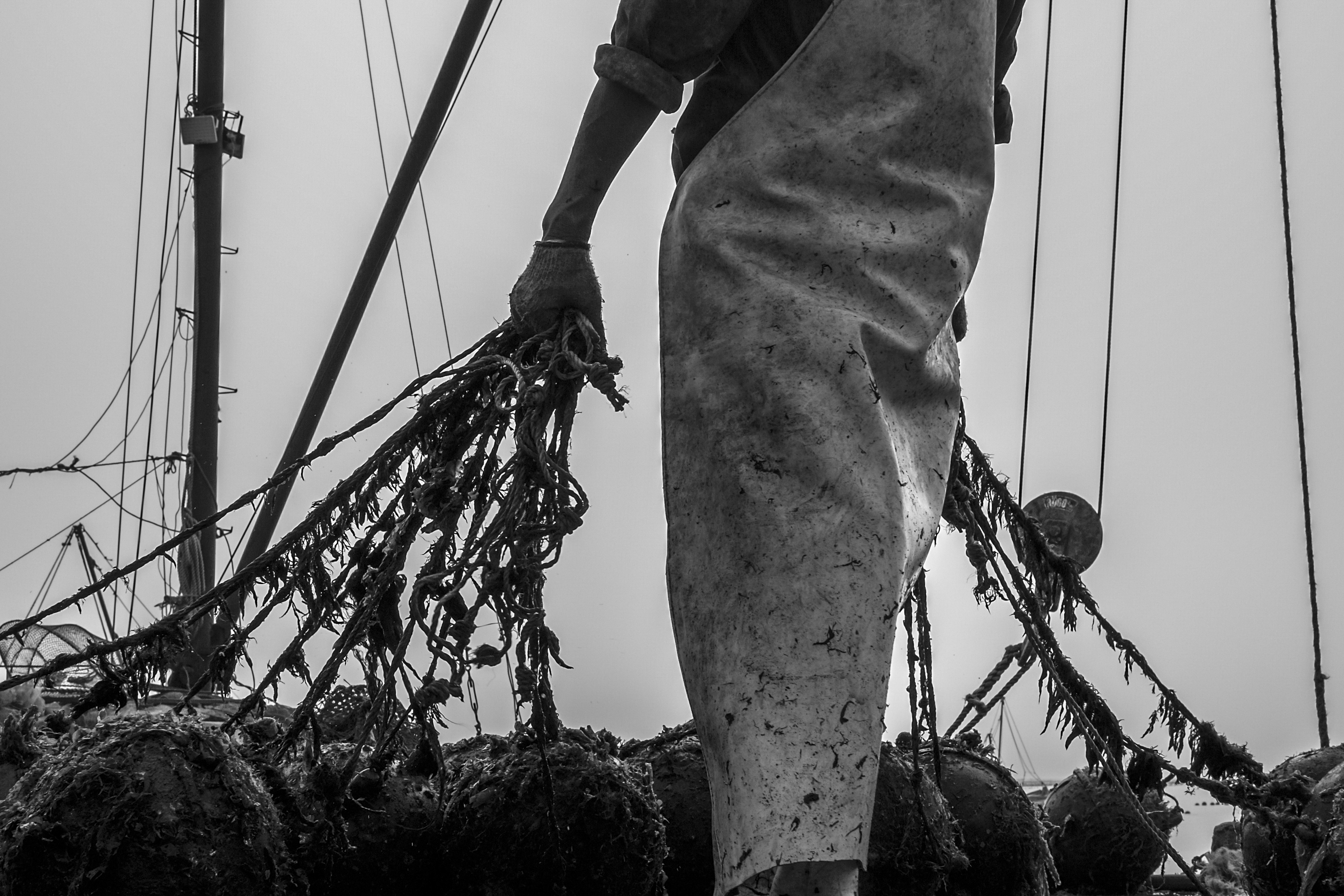
Cultivating the Sea documents the offshore lives of fishermen along the coast of Shandong, China, where labor is inseparable from rhythm, endurance, and inherited knowledge. The series centers on a world shaped by departure and return, by physical exposure to wind, salt, darkness, and uncertainty, and by a sustained dependence on the sea as the ground of survival. Fishing appears as a complete structure of life, organizing time, shaping the body, transmitting memory across generations, and defining one’s relation to family, community, and fate. Cultivating the Sea presents the sea not simply as a source of livelihood, but as a space in which human fragility, discipline, and resilience are continuously tested and renewed, carrying within it a deeper reflection on subsistence, masculinity, inheritance, and the long continuity of coastal life.